.NET MAUI
One C# codebase across iOS and Android, with native platform APIs available where a feature needs them. The natural fit when your backend is already .NET.
From concept to app store in just 10 weeks, we’ve built 20+ Android and iOS apps with 100k+ active users. Our apps drive 2x more engagement and retain over 80% of users with modern UI/UX. Trusted by 10+ businesses, we build apps that launch fast, perform flawlessly, and scale with your audience.

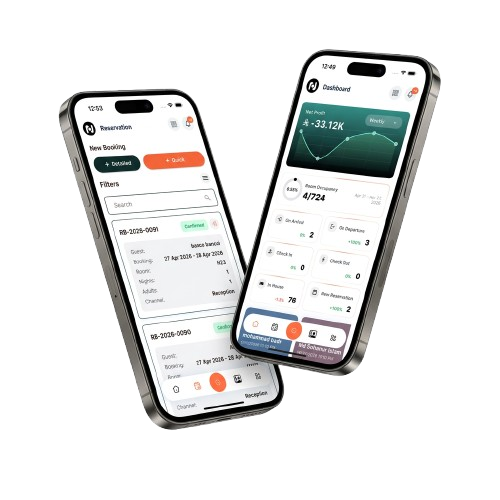
Staff app for a multi-property PMS: occupancy and revenue at a glance, bookings created in a few taps.
Read nTouch Case Study
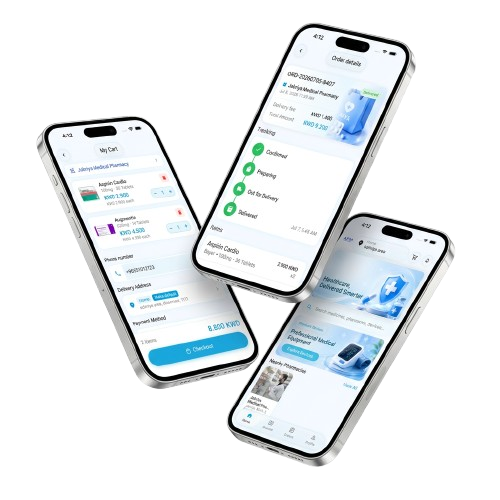
Kuwait's pharmacy marketplace: location-based ordering, split payments and live delivery tracking.
Read Afya Case Study

Bangla-first commerce apps with seasonal pre-orders and checkout built for weak networks.
Read Khaas-Food Case StudyOne C# codebase across iOS and Android, with native platform APIs available where a feature needs them. The natural fit when your backend is already .NET.
One Flutter or React Native codebase for both stores. Lower cost, one release cycle, near-native performance for most products.
Web views wrapped in a native shell, with native modules where they matter. Fastest route when an existing web product needs a store presence.
Installable, offline-capable and updated instantly, with no store review in the loop. Good fit for internal tools and low-friction consumer reach.
One in-house team fluent across the client, the state layer, the backend and the release pipeline, so nothing gets lost between specialists on the way to production.
End-to-end delivery shaped around your business goals, technical needs and budget.
Align on goals, target users, core features and the success metrics we will measure against.
Set up tooling, tech stack, roadmap and system architecture before the first feature ships.
Build an intuitive UI, develop core features and hold quality with automated and manual testing.
Validate functionality, usability and performance with real users on real devices.
Release the minimum viable product to a limited audience and gather early feedback.
Ship to the App Store and Google Play, then monitor, update and support continuously.
Marketplace ordering, prescriptions and delivery tracking with patient data handled carefully.
Catalogue, checkout, loyalty and order tracking apps tied into existing commerce backends.
Guest apps, staff task apps and reservation flows connected to property management systems.
Onboarding, KYC, payments and collections with audit trails and hardened authentication.
Driver and technician apps with offline capture, routing and proof of delivery.
Course delivery, assessments and cohort tracking with content that works on weak connections.
Shop-floor data capture, inventory scanning and approvals on top of ERP systems.
Reader apps, subscriptions and catalogue browsing with offline reading built in.
Local storage and sync queues so the app keeps working on a weak connection and reconciles when it returns.
Screen-reader labels, contrast and touch targets checked against WCAG before release, not after a rejection.
Privacy manifests, tracking disclosures, data-safety forms and secure token storage prepared with the build.
Signed builds, TestFlight and Play internal tracks from CI, so a fix reaches testers the same day.
Crash reporting, cold-start and frame metrics wired in from day one, with alerting on regressions.
On-device and API-backed assistants, search and personalisation added as isolated features you can switch off.
Flutter for most products, React Native when your team already lives in the React ecosystem, and .NET MAUI when your backend and team are already on .NET. FlutterFlow shortens the first version when the goal is a working app in front of users quickly. Where a feature needs a platform API, we write the native module for it inside the cross-platform app.
A focused MVP takes four to eight weeks. A mid-market app with custom features usually runs two to four months, and apps with complex integrations or compliance requirements take longer. Scope is fixed in the discovery workshop before development starts.
Yes. We prepare store listings, screenshots, privacy and data-safety declarations, and submit under your developer accounts so you own them. Rejections are handled by us as part of the release.
You do. Source code, design files, documentation and store accounts transfer to you, and that is written into the contract before work begins.
Yes. We start with a code and architecture review, document what exists, stabilise crashes and the release pipeline first, then agree a sequence for new work. Rewrites are a last resort.
We monitor crashes and performance, keep the app current with iOS and Android releases, ship security patches, and add features on an agreed cadence. Support terms are set out up front rather than billed as surprises.
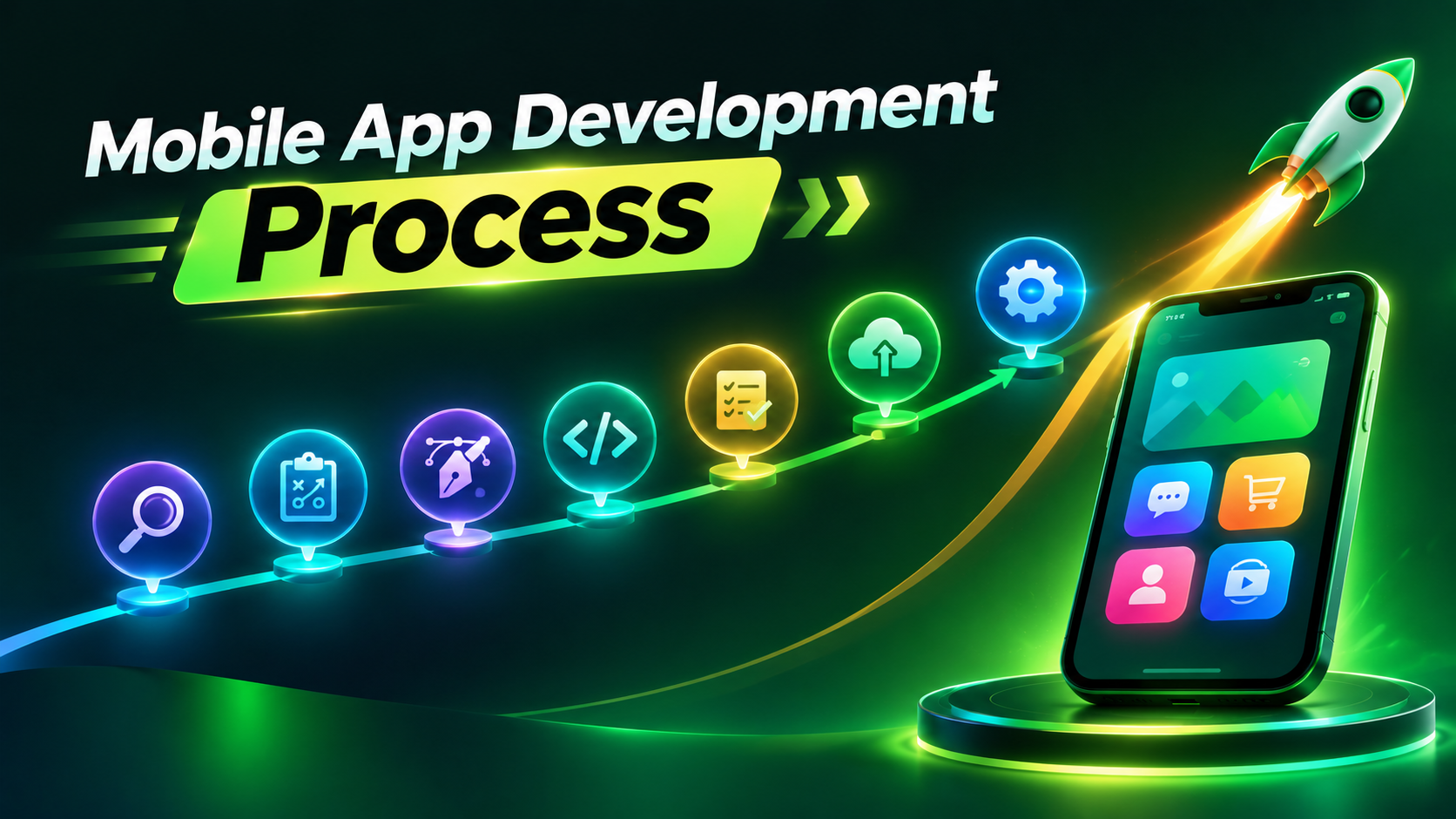
9 min readSeven stages, from early discovery through post-launch maintenance.
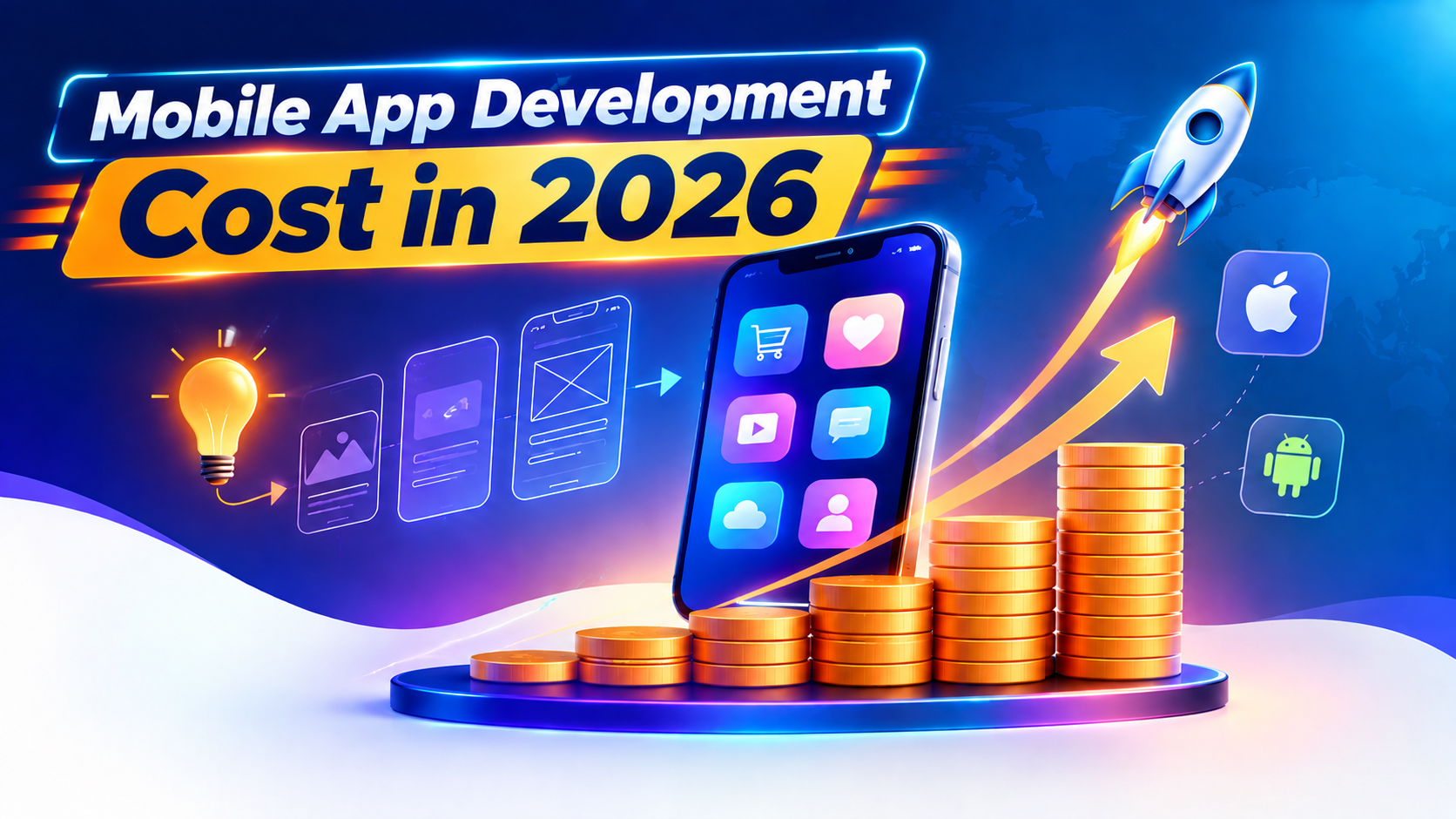
10 min readCosts by complexity, platform, feature and location, plus ways to cut budget without cutting quality.
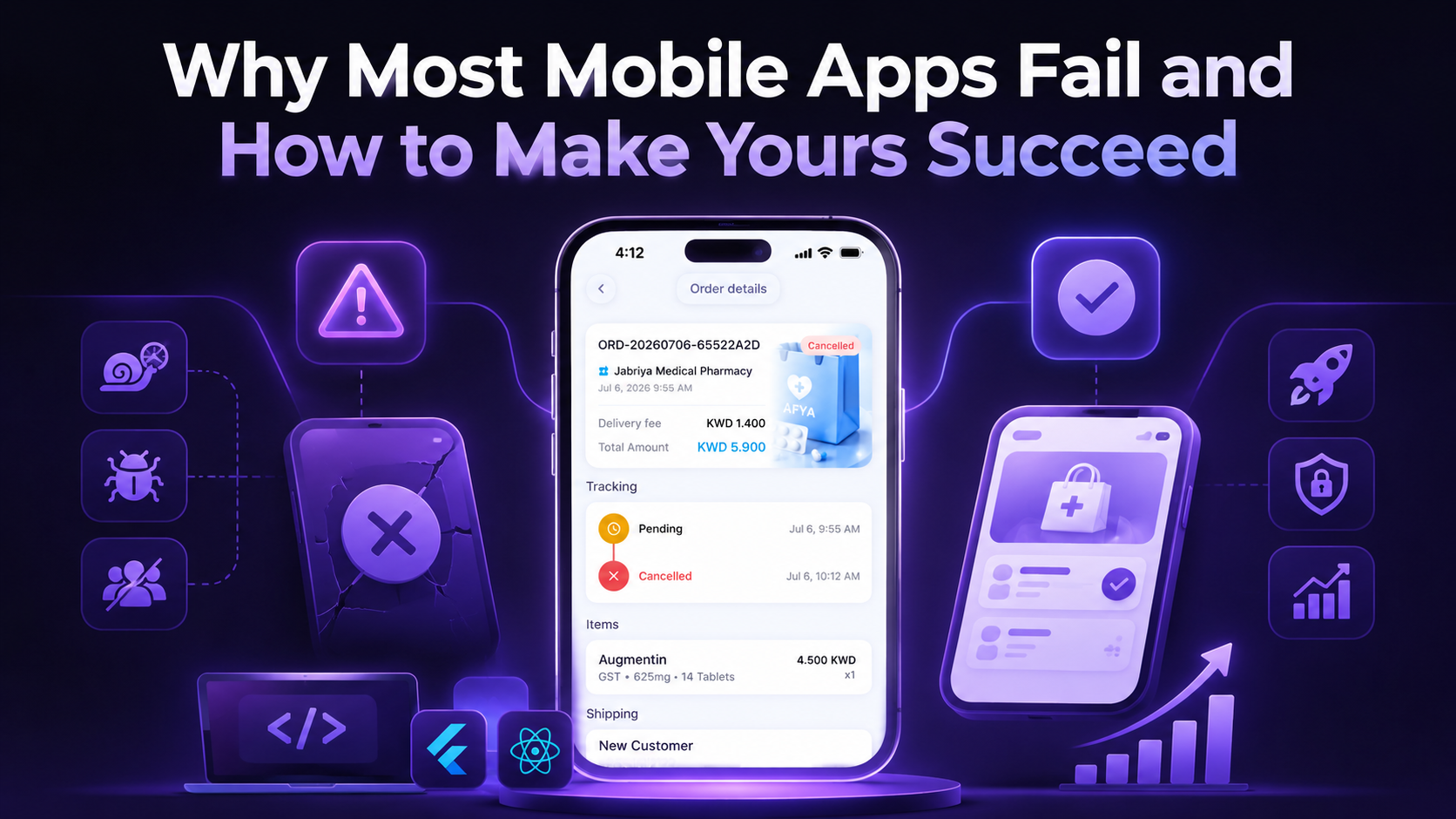
9 min readStrategy gaps, product flaws, technical issues and weak marketing, and how to avoid each.
Send us the brief and a senior engineer will reply with an approach, a timeline and a proposal.