Multi-tenant foundation
One codebase serving every customer, with tenant context enforced at the data layer rather than trusted from the client.
We architect and build multi-tenant SaaS platforms: domain-driven modules, strict tenant isolation and cloud-native delivery.
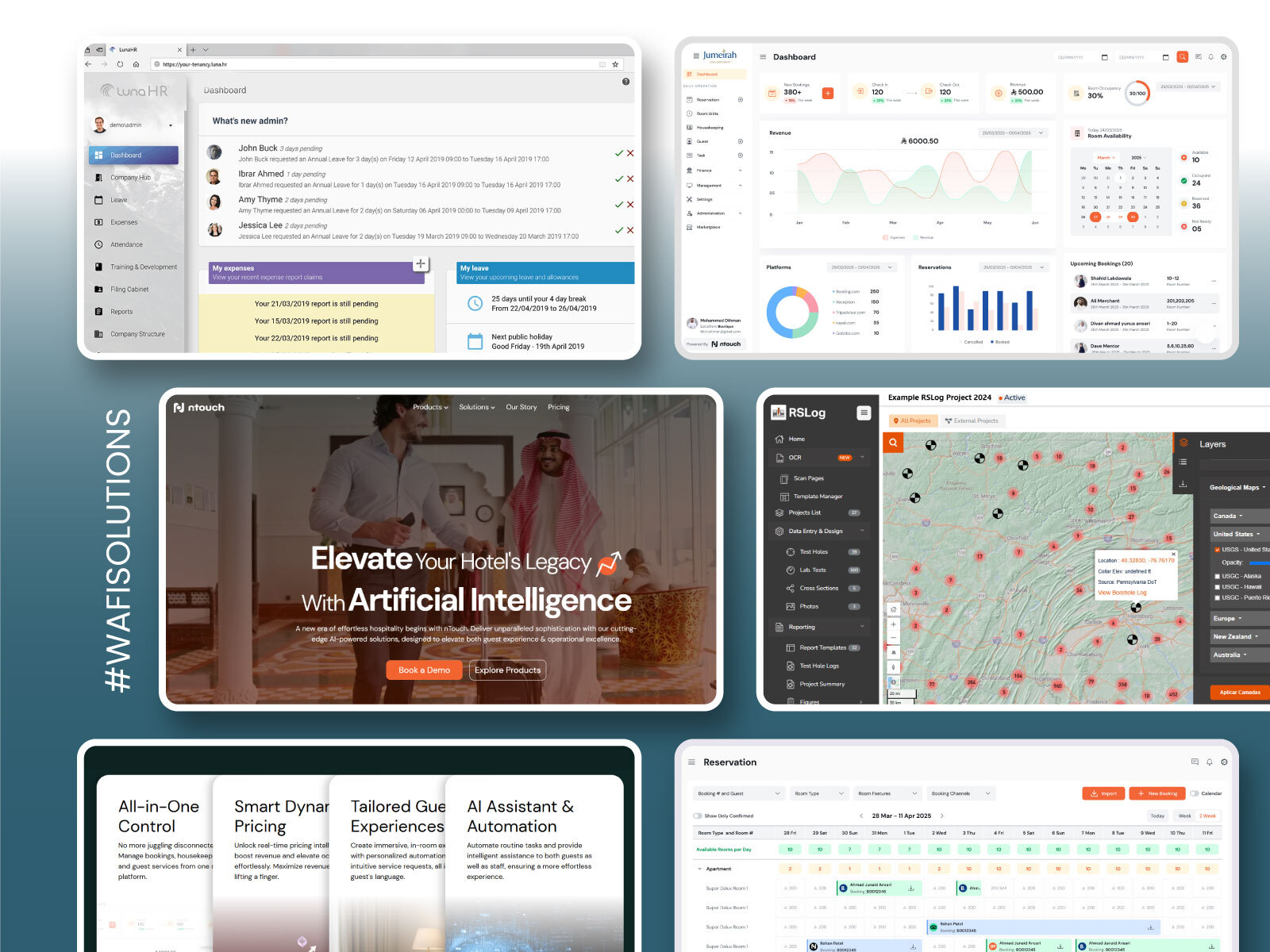
Real screens from SaaS products built by our team: HR, hospitality, geotechnical reporting all.
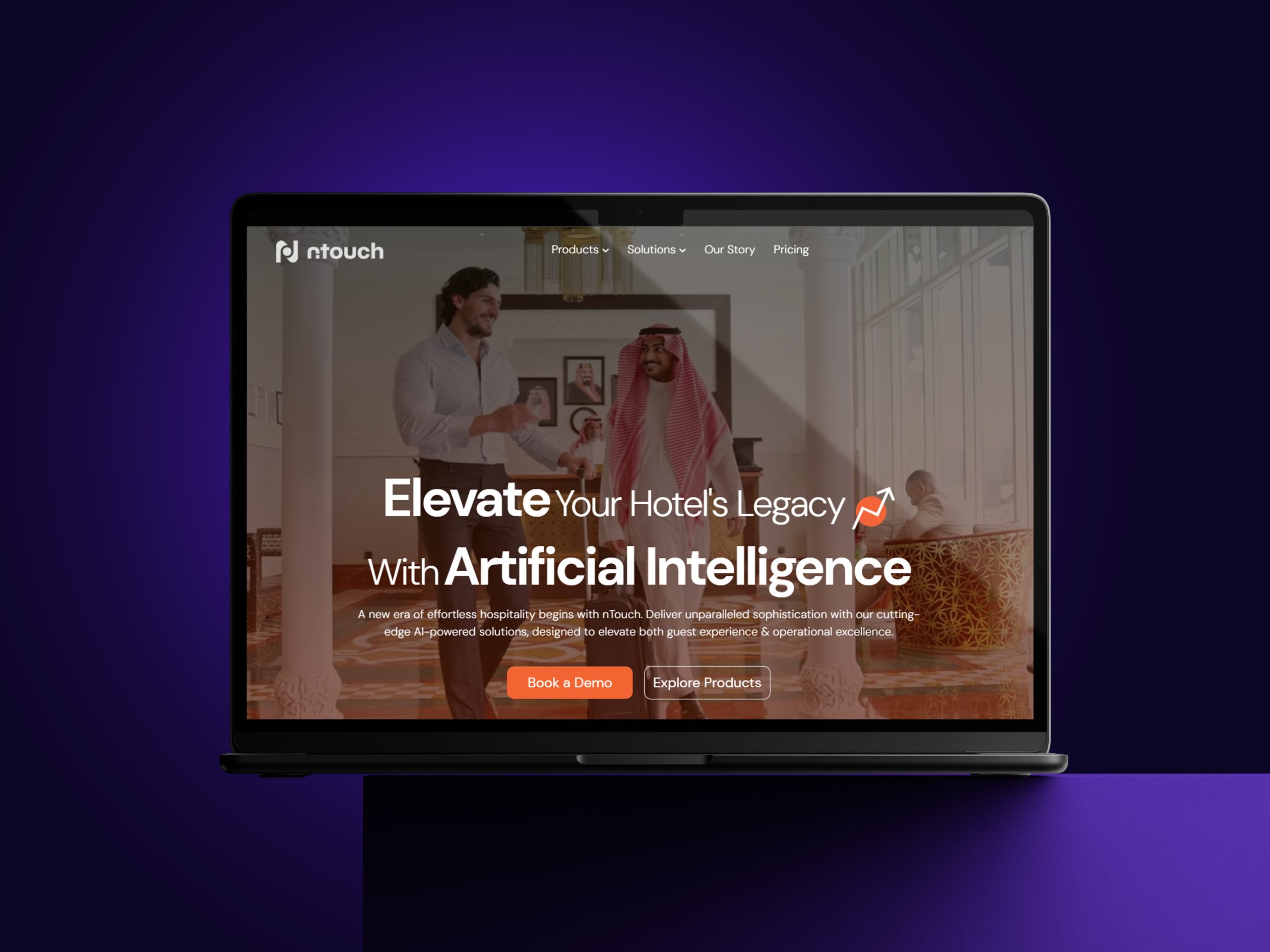
Multi-property hospitality SaaS with AI pricing, live OTA sync and ZATCA invoicing, running 40+ hotels across Saudi Arabia.
Read ntouch case study
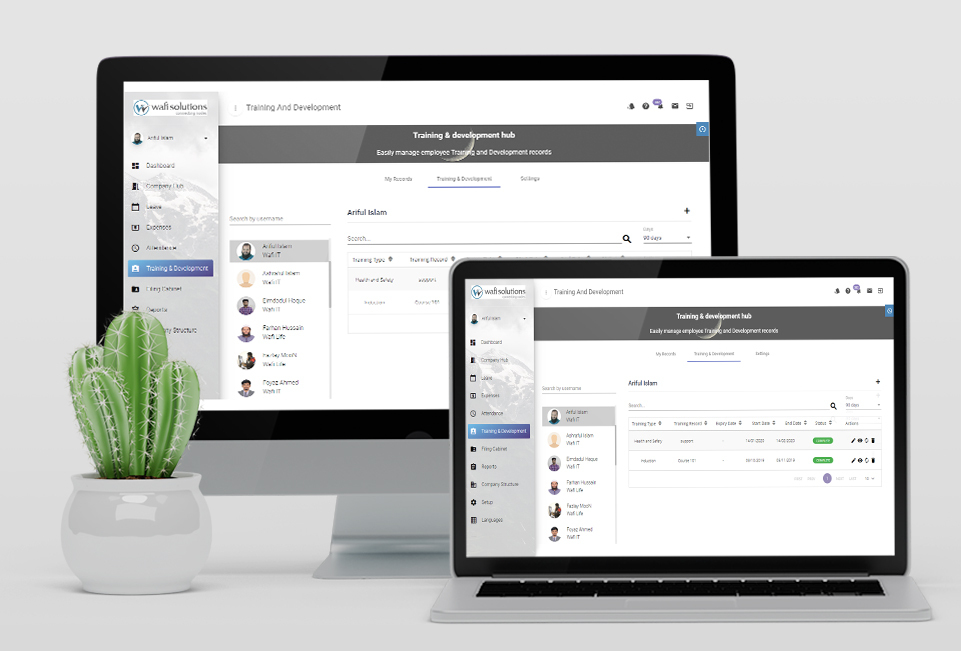

UK HR platform covering leave, expenses, training and performance, with per-company tenancy and role-based approvals.
Read Luna HR case study
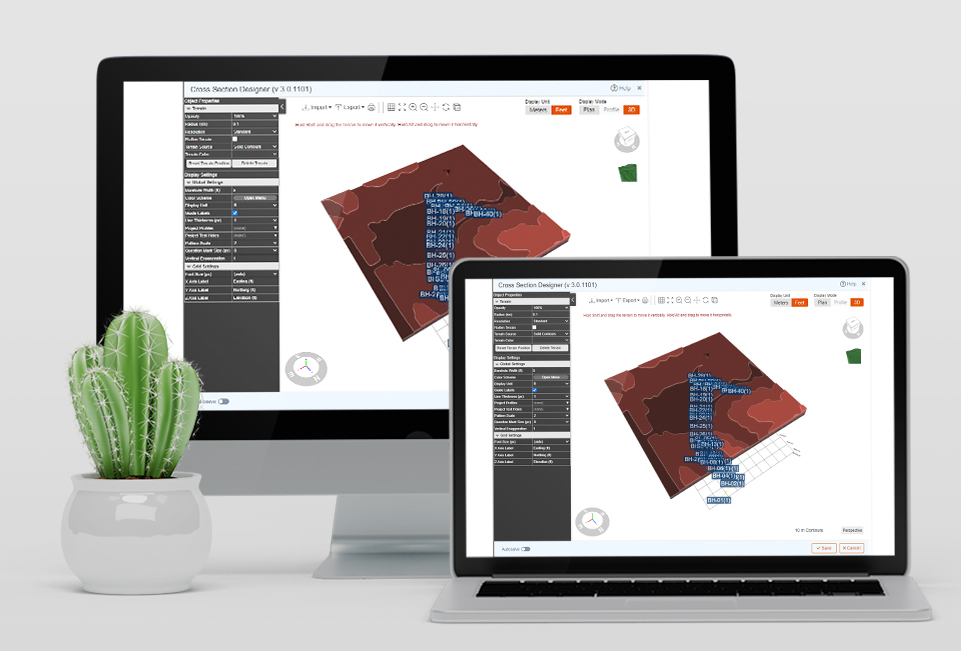

Geotechnical logging and reporting for Rocscience: field data capture, lab tests and generated borehole logs in one workspace.
Read RSLog case study
One codebase serving every customer, with tenant context enforced at the data layer rather than trusted from the client.
Clear module boundaries inside one deployable, already split along the seams you would extract later when a module needs its own release cycle.
Bounded contexts, aggregates and a shared language with your business team, so the model in code matches the model in the room.
The contract comes before the implementation, and domain events move slow work off the request path so integrations never block a user action.
Containers, managed services and infrastructure as code with autoscaling, blue-green releases and sharding once one database stops being the right answer.
Shared infrastructure and schema, isolated by tenant identity on every query.
Shared application, separate schema or database per tenant.
Dedicated stack per tenant, deployed from the same pipeline.
Each one brought its own compliance, integration and reporting demands, and those shaped how we build.
Chosen per platform, not per fashion: the runtime, database, payment rail and cloud that fit the workload.
Workshops, competitor analysis and KPI mapping to build a solid, strategy-driven foundation.
Wireframes, system architecture and multi-tenant planning with compliance and security built in.
Rapid MVP development with automated tests and user testing for performance, usability and scale.
Optimise with feedback, analytics and performance tuning for high-volume cloud-native deployment.
Ongoing monitoring, updates and new features to keep your SaaS competitive after launch.
Subscription and usage-based billing, plan limits and analytics to drive adoption and revenue.
The foundations are already built and hardened, so your first release is weeks of product work rather than months of plumbing.
Most products should start as a modular monolith with domain boundaries drawn properly. It ships faster, costs less to run, and gives you the seams to extract services later. We move a module to its own service when its scaling profile, release cadence or team ownership genuinely differs from the rest.
Tenant context is resolved once at the edge and enforced at the data layer, not trusted from the client. Depending on your buyers we use pooled tables with row-level security, a schema or database per tenant, or a fully siloed stack. Enterprise tenants can sit on a stricter model than self-serve plans on the same codebase.
Later than most teams expect. Read replicas, indexing and caching solve the first order of magnitude. We shard by tenant or region when write volume or data size outgrows one primary, and we keep routing in a single layer so application code stays unaware of it.
Yes. We start with an architecture and code review, document what exists, and agree a sequence that keeps the product live while the structural work happens. Rewrites are a last resort, not an opening move.
Mostly .NET and ABP.IO for the backend, React or Next.js on the front end, Flutter for mobile clients, with PostgreSQL or SQL Server, Redis and a message broker. Deployment runs on Azure, AWS or GCP, whichever you already use.
A focused multi-tenant MVP with a handful of core modules typically takes around twelve weeks. The variable is scope and integrations, which we fix in the discovery phase before development starts.

A prototype proves an idea. A production platform has to hold real users, protect their data and scale.
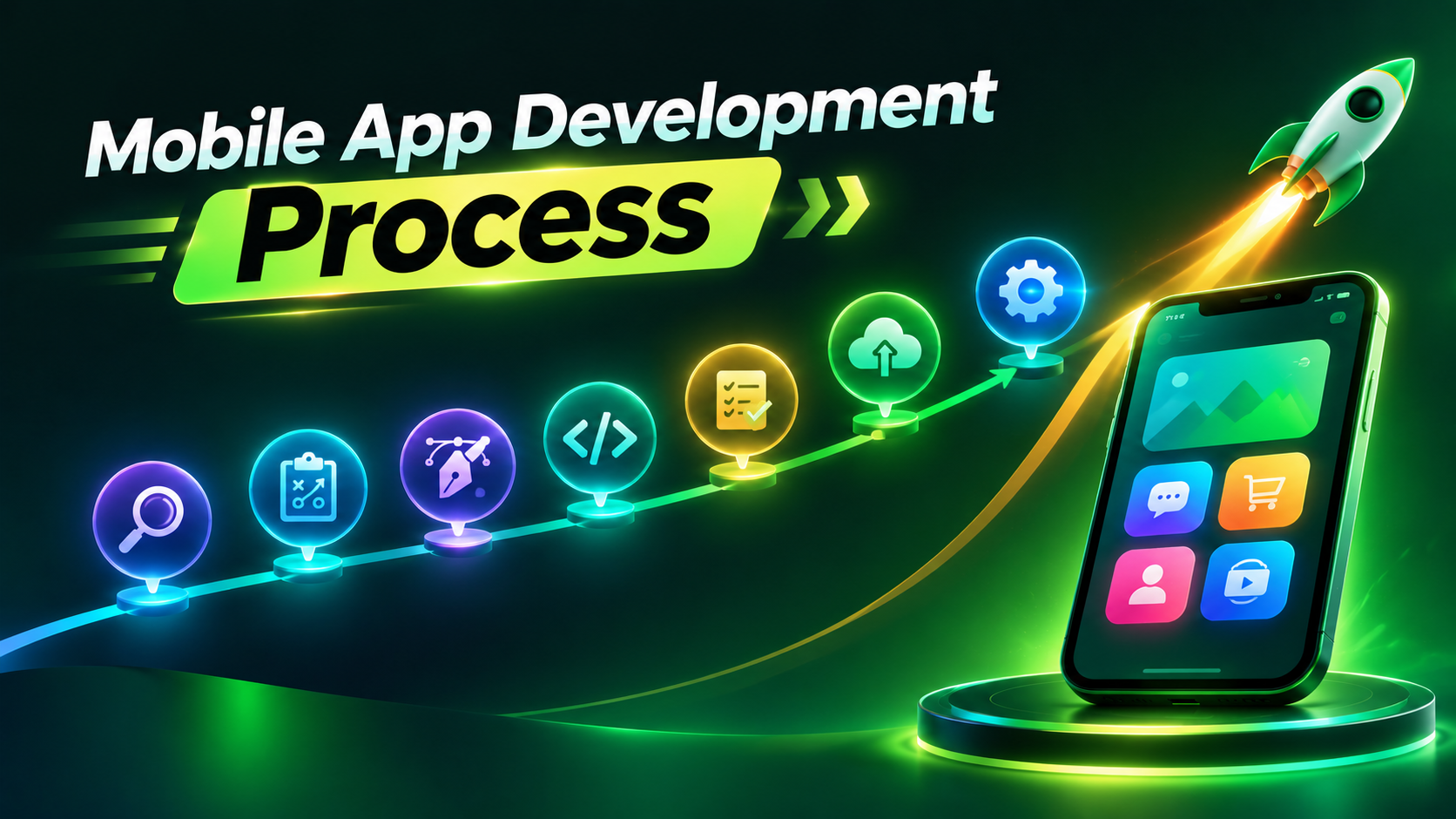
A walkthrough of our estimation-to-delivery path, engagement by engagement.
In today’s fast-paced and competitive world, businesses need robust tools to manage their operations effectively.
Send us the brief and a senior engineer will reply with an architecture approach and a proposal.